


How Food Donations Transform Lives: Fighting Hunger One Meal at a Time (2026)
Introduction
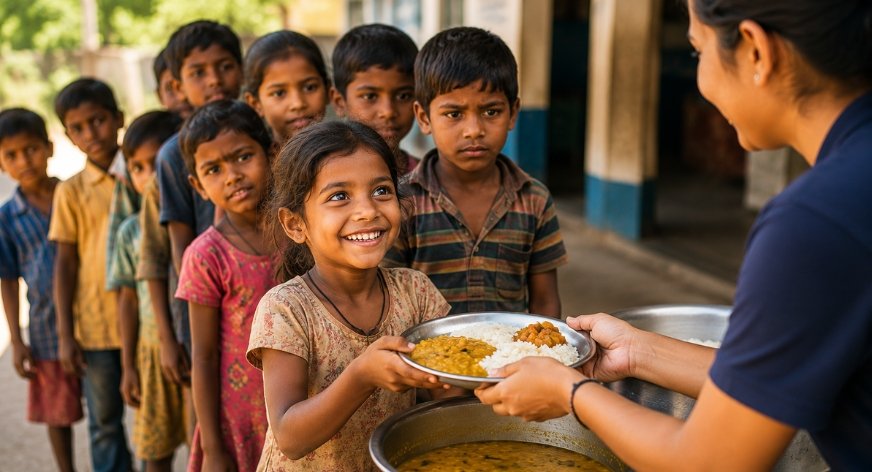
A nutritious meal is something many people enjoy every day without giving it much thought. However, for millions of children and families across India, access to regular, healthy food remains a daily struggle. Hunger affects not only physical health but also education, confidence, and future opportunities.
Food donation is one of the simplest yet most impactful ways to support people in need. A single meal can provide nourishment, hope, and the energy needed to learn, work, and build a better future.
In this guide, you’ll learn why food donations matter, how they create lasting change, and how your support can help fight hunger in communities across India.
“Every meal served is more than food—it is hope, dignity, and an opportunity for a better future. Hunger should never prevent a child from learning, growing, or dreaming.”
Why Hunger Remains a Major Challenge
Despite significant progress in many areas, hunger continues to affect millions of children and vulnerable families.
Lack of proper nutrition can lead to:
- Poor physical growth
- Weak immunity
- Difficulty concentrating in school
- Lower academic performance
- Increased health risks
- Reduced opportunities for development
For children, hunger often becomes a barrier to learning and personal growth.
The Importance of Nutritious Meals
Food is more than just a basic necessity—it fuels healthy development.
Nutritious meals help children:
- Stay active and energetic
- Improve concentration in classrooms
- Strengthen the immune system
- Support brain development
- Maintain healthy growth
- Participate confidently in school activities
Regular access to balanced meals gives children the foundation they need to succeed.
How Food Donations Create Immediate Impact
Unlike many forms of charity, food donations provide immediate relief.
A donated meal can:
Relieve Hunger
The most immediate benefit is ensuring that no child or family goes to bed hungry.
Improve Health
Nutritious food helps prevent malnutrition and supports healthy physical development.
Support Education
Children who receive regular meals are more likely to attend school consistently and perform better academically.
Reduce Financial Stress
Food support allows struggling families to use limited resources for education, healthcare, and other essential needs.
The Long-Term Benefits of Food Distribution
While food donations offer immediate relief, their long-term impact is equally significant.
Regular food distribution contributes to:
- Better educational outcomes
- Improved child development
- Stronger communities
- Reduced poverty
- Better overall quality of life
Healthy children are more likely to remain in school, develop valuable skills, and become self-reliant adults.
Who Benefits from Food Donation Programs?
Food distribution initiatives support a wide range of individuals, including:
- Underprivileged children
- Families facing financial hardship
- Elderly individuals living alone
- Daily wage workers
- People affected by emergencies or natural disasters
- Communities experiencing food insecurity
Every meal helps restore dignity and hope.
Different Ways You Can Support Food Distribution
Helping fight hunger is easier than many people realize.
Donate Funds
Financial contributions allow organizations to purchase fresh ingredients and prepare nutritious meals.
Sponsor Meals on Special Occasions
Celebrate birthdays, anniversaries, festivals, or other milestones by sponsoring meals for children and families.
Volunteer at Food Drives
Volunteers play an important role in preparing, packing, and distributing meals to those in need.
Organize Community Food Collection Campaigns
Schools, colleges, businesses, and local communities can come together to support food donation initiatives.
Spread Awareness
Sharing information about hunger and food distribution programs encourages more people to participate and make a difference.
Why Consistent Food Support Matters
One meal provides immediate relief, but consistent food support creates lasting change.
Regular meal programs help:
- Reduce hunger throughout the year
- Improve school attendance
- Enhance children’s physical and mental development
- Build healthier communities
- Create long-term stability for vulnerable families
Sustained support allows organizations to plan and expand their outreach efforts effectively.
How Nirohitaa Foundation Helps Fight Hunger
At Nirohitaa Foundation, we believe that no child should have to choose between hunger and education.
Through our food distribution initiatives, we strive to provide nutritious meals to underprivileged children and families, ensuring they have the strength and opportunity to lead healthier lives.
Our mission goes beyond serving meals. By combining food support with educational initiatives, clothing distribution, and community welfare programs, we work towards creating lasting, meaningful change.
How You Can Make a Difference Today
Every contribution matters.
You can support our mission by:
- Donating to food distribution programs
- Sponsoring meals for children
- Volunteering at community initiatives
- Organizing food donation drives
- Encouraging friends and family to participate
- Partnering through CSR initiatives
Together, we can help ensure that no child sleeps hungry.
Frequently Asked Questions
Why is food donation important?
Food donations help reduce hunger, improve health, and support children’s education by ensuring they receive nutritious meals.
Can I sponsor meals on special occasions?
Yes. Many people choose to celebrate birthdays, anniversaries, and festivals by sponsoring meals for children and families in need.
How does food donation support education?
Nutritious meals improve concentration, school attendance, and overall academic performance.
Can I volunteer for food distribution?
Yes. Volunteers can assist in meal preparation, packaging, distribution, and awareness campaigns.
How can I contribute regularly?
You can become a monthly donor, volunteer, or partner with organizations working to fight hunger.
Conclusion
By supporting food distribution initiatives, you become part of a compassionate movement that nourishes lives and strengthens communities. Together, we can create a future where every child has access to the nutrition they need to thrive.